
Egyptian National Observatory For Women
Data is being prepared for your service...
Please wait while we prepare the insights and reports
Preparing......
Vision 2030POWERED BY BASEERA
Please wait while we prepare the insights and reports
POWERED BY BASEERA

An independent mechanism launched in 2017 to monitor the National Strategy for Egyptian Women 2030, ensuring transparency and impartiality in development efforts.
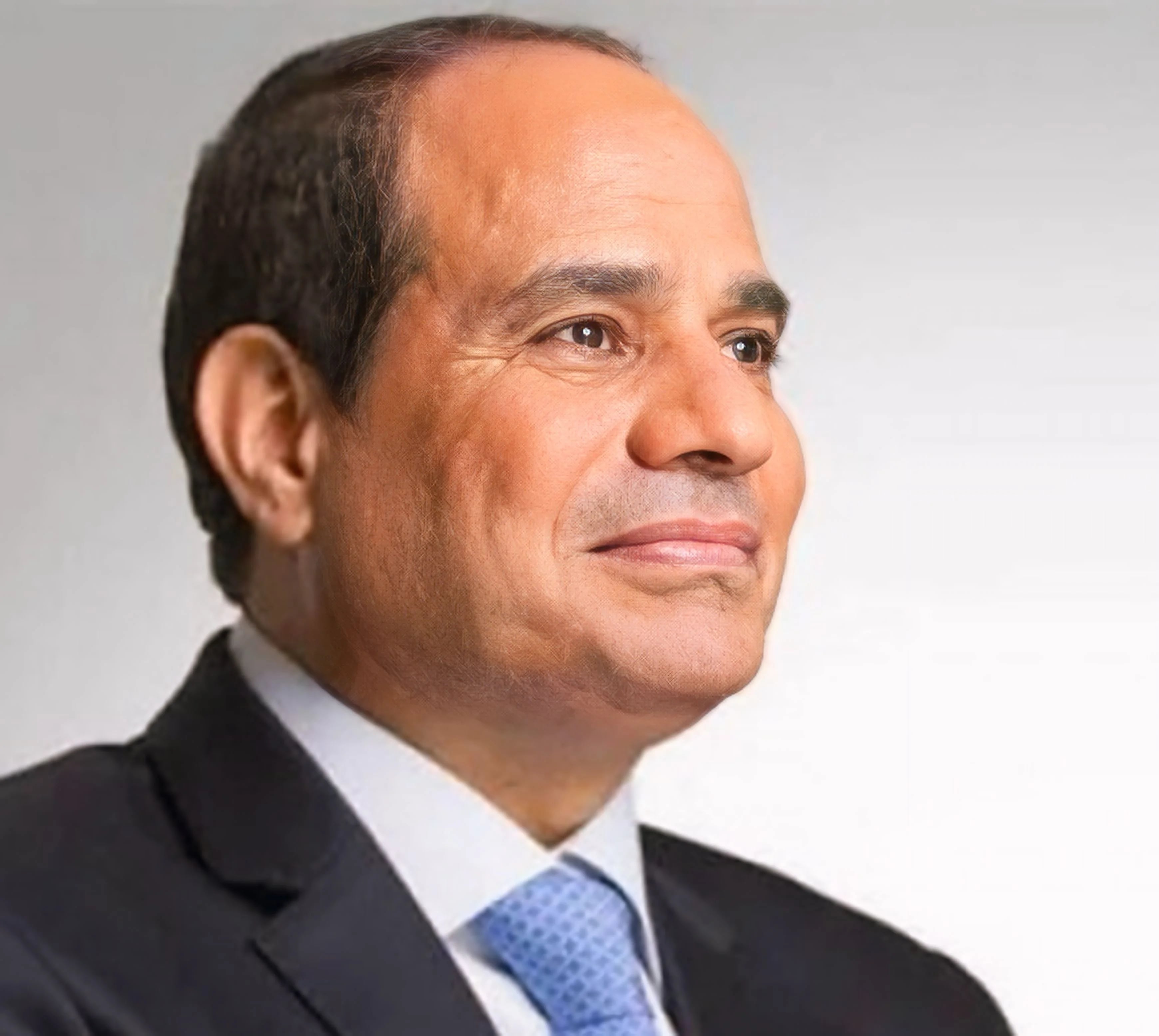
The national duty and responsibility before history necessitate that we accelerate the pace of women's empowerment, preserving their rights and placing them in the position that befits their value, capabilities, and sacrifices throughout history, in commitment to the Egyptian Constitution which expresses the will of the Egyptian people and has established the values of justice and equality, and in implementation of the principles of equal opportunities and the rights it has guaranteed for women, and in line with Egypt's Vision 2030 and its sustainable development strategy that seeks to build a just society, ensuring equal rights and opportunities for its sons and daughters for the highest levels of social integration for all groups, and out of the Egyptian state's belief that stability and progress will only be achieved through ensuring effective participation of women in all aspects of national work.

Baseera CEO
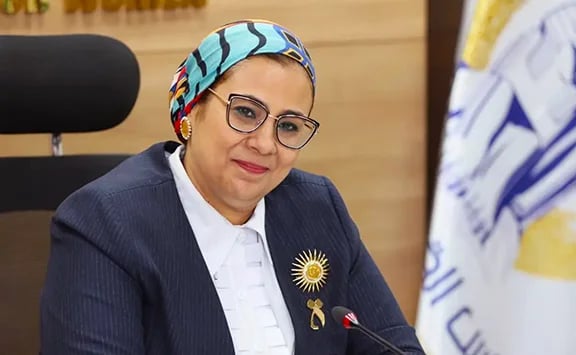
President of the National Council for Women
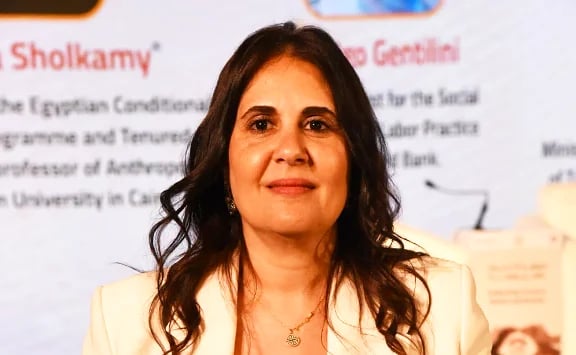
Senior Social Protection Specialist at the World Bank
Collecting indicator values and displaying them on an interactive website.
Preparing periodic reports on the status of Egyptian women and the gender gap.
Compiling and displaying laws related to women.
Implementing Entity

Supporting Organizations
National Council for Women
World Bank Group
UN Women

European Union
United Nations Population Fund
Sawiris Foundation
National Council for Women
World Bank Group
UN Women
European Union
United Nations Population Fund
Sawiris Foundation
 Baseera
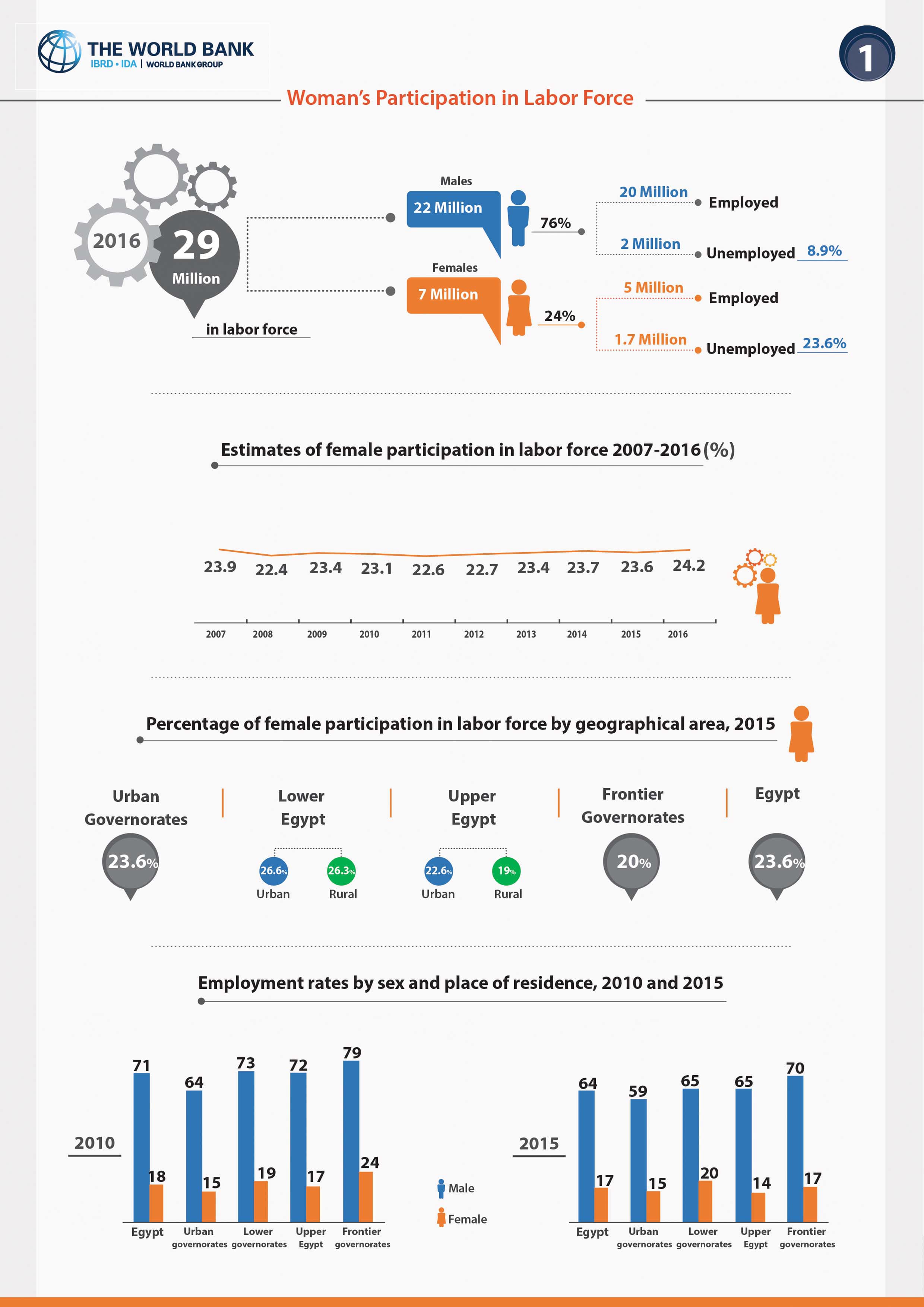
The Women Economic Empowerment report outlines the factors contributing to the persistently low economic participation of Egyptian women and to identify “gender smart” policies and solutions to boost economic growth while at the same time, narrowing relevant gender gaps. The study provides the context of women’s share of the public space as reflected in their access to education, health, social protection, and decent work opportunities. It provides qualitative insights into women’s perceptions regarding working conditions and challenges, including the reconciliation between work and marriage, and the relation between household responsibilities, earnings, and the dynamics of decision making in the household.
 Baseera
The Objective of the GGG simulator is to provide a simulation of the Global Gender Gap index in, as it calculates the overall index and Egypt's ranking based on any changes that occur to the indicators calculated from it. The Simulator help decision makers to prioritize the interventions to be made to maximize the improvement in Egypt's rank in the GGG.
 Baseera
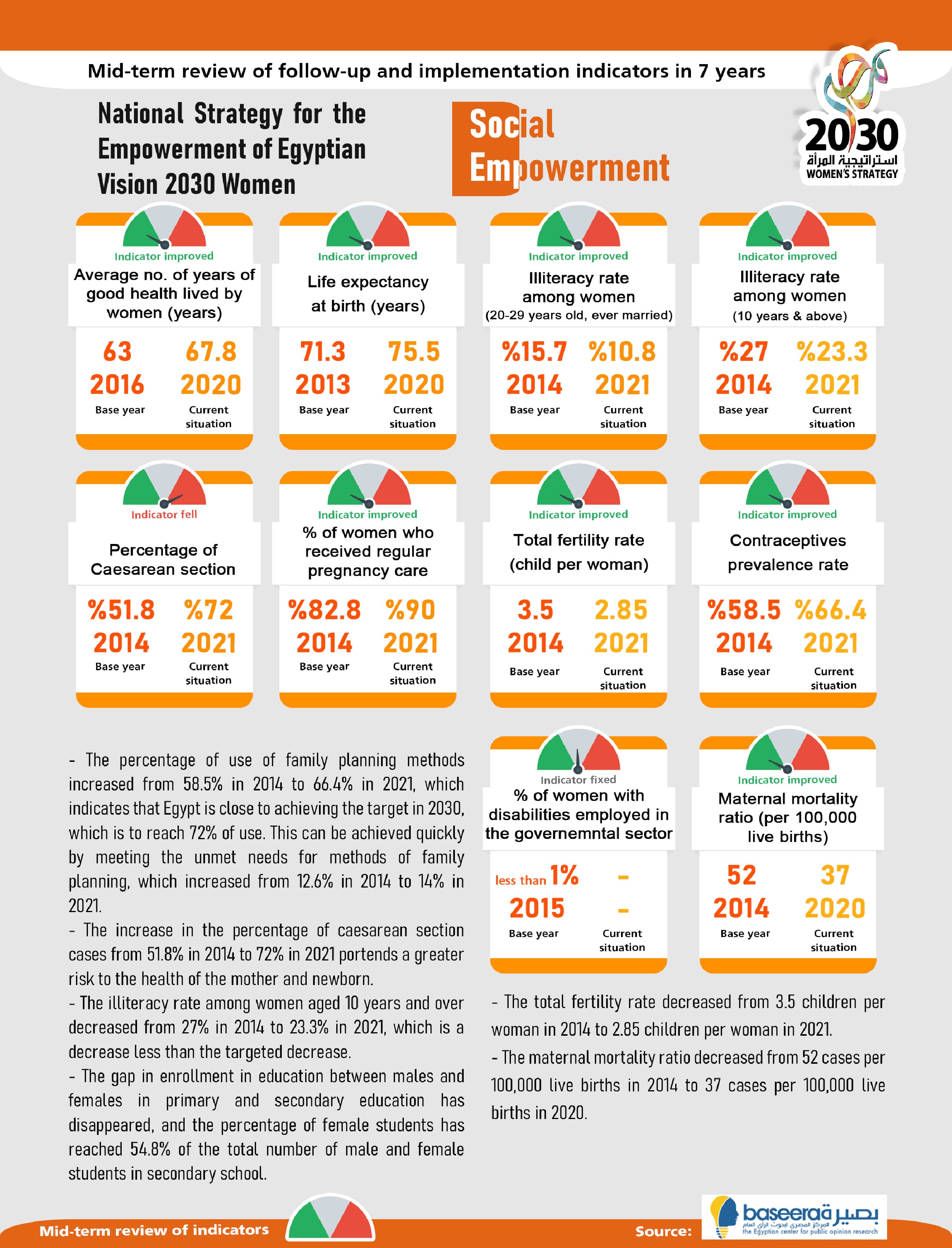
National Council for Women launched the national strategy for women empowerment in 2017. One of the strategy pillars was women social empowerment that focused on women health and education. The 4th pillar of the strategy, women protection, focused on protecting women from early marriage, FGM and all types of violence against women. The strategy aims to decrease the maternal mortality ratio, increase women’s life expectancy, eliminating early marriage and FGM. Society culture, values and preferences and the available services are the most factors that affect women’s health and reproductive health. The objective of this paper is to explore women rating for the health and reproductive health services they get and the values that control their attitudes towards a set of reproductive health issues.